
Look for calm explanations
You should come away understanding more about what your dog is feeling, what is driving the behaviour, and what the first realistic steps are.
If you are searching for a dog behaviourist near you and feel unsure who to trust, this page is here to make that decision feel clearer.
When life with your dog feels hard, it is easy to end up overwhelmed by qualifications, opinions, big promises, and advice that all sounds confident but does not tell you what support will actually look like. Most owners do not need a perfect industry map. They need to know what matters in real life.
The right support should help you understand your dog better, feel less blamed, and leave with a calm, practical plan you can actually use. That matters more than polished wording or someone sounding impressive online.
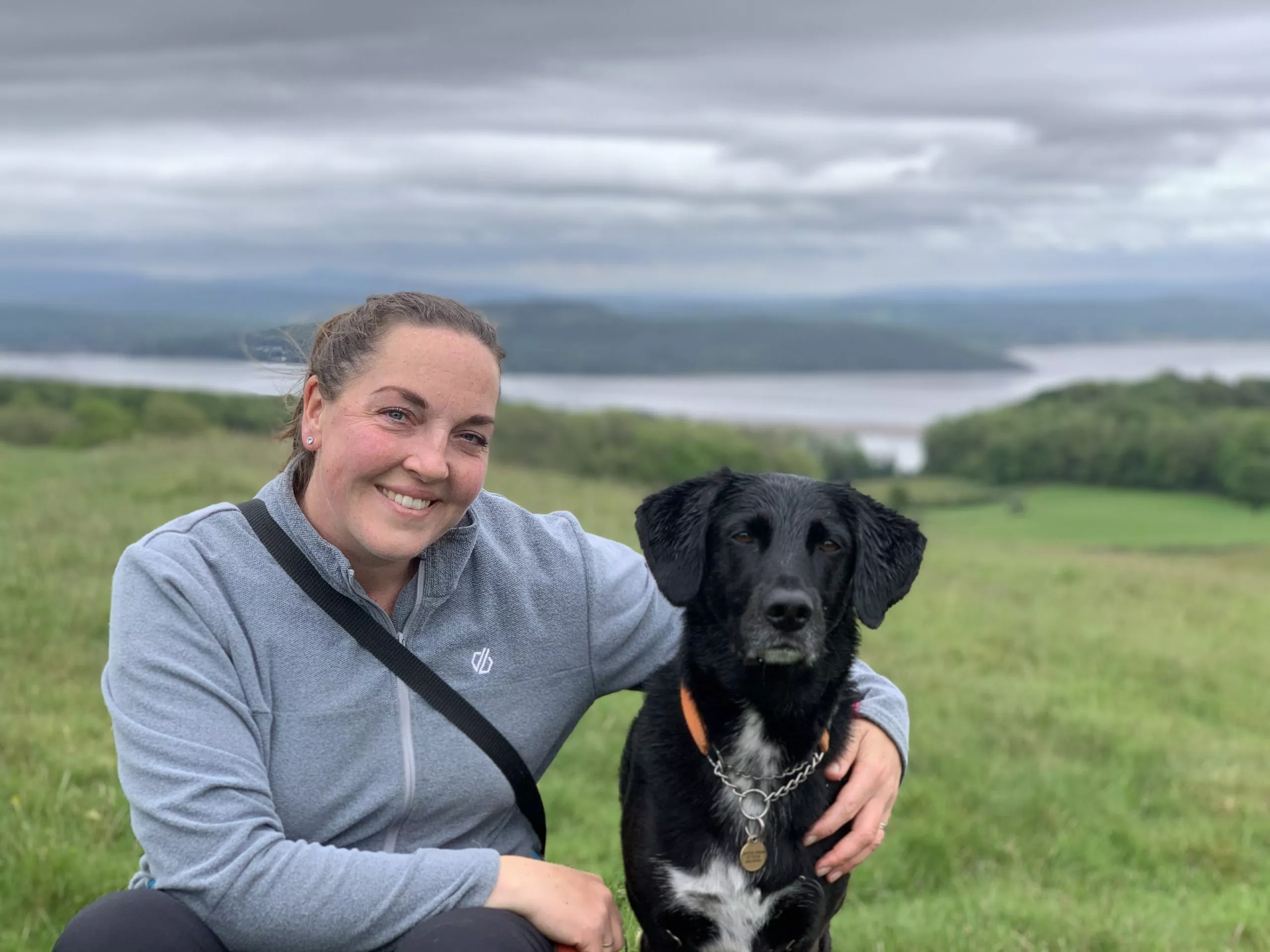
Good support should feel clear
Owners usually know very quickly whether somebody is listening properly, explaining clearly, and building a plan that fits real life rather than just sounding certain.
6+ years experience 27 five-star Google reviews DBS checked & canine first aid trained
Owners often get stuck on titles because they are trying to work out who is properly qualified to help. That matters, but it is not the only thing that matters. You also need to know whether the person can read behaviour in context, explain it clearly, and build a plan that fits everyday life.
If the support sounds clever but leaves you more confused, more ashamed, or more frightened of getting it wrong, that is not the right fit for most owners.
If you are still trying to work out the difference between training and behaviour support, the dog behaviourist vs dog trainer guide is a useful next read.
You should come away understanding more about what your dog is feeling, what is driving the behaviour, and what the first realistic steps are.
If the plan relies on tools, pressure, or handling that does not sit right with you, trust that feeling. The right support should be something you can keep going with.
Behaviour rarely happens in a neat vacuum. Home visits, walk coaching, owner notes, and follow-up support often matter more than polished theory on its own.
Good qualifications matter because they show study, depth, and professional grounding. Practical experience matters because behaviour shows up in messy real life. The strongest support usually combines both: proper learning, ongoing development, and the ability to apply that knowledge calmly in everyday situations.
It is also reasonable to want honesty. A good professional should be clear about their background, their current level of study, and the kind of support they are actually offering.
You do not just need a clever person. You need somebody you can actually work with. If you feel able to ask questions, admit what is hard, and be honest about what is and is not realistic in your family life, the plan is much more likely to work.
That is especially important with reactive dogs, rescue dogs, puppy struggles, or home-life behaviour, where shame and overload can get in the way very quickly.
You know what to change first, what to stop rehearsing, and what to focus on before trying to fix everything at once.
You understand more about thresholds, routine, body language, and what your dog is actually coping with in the hard moments.
The work fits your real home, your real walks, and your real capacity, rather than sounding good only on paper.
Use the About page if you want a clearer picture of Jennie's background, study path, and the way she works in real life.
Go here if you are ready to see what one-to-one behaviour-focused support looks like in practice, including pricing and next steps.
Use this comparison if you are not sure whether your dog needs training foundations, behaviour support, or both.
Use the Help Hub if you want to read by issue first and work out which behaviour page sounds closest to your dog.
Start here if reactivity on walks is the issue that is making you search for a behaviourist in the first place.
Use this if early puppy struggles are what pushed you into searching for more specialist support.
Use this page if you are in Chelmsford and want to see how local one-to-one support works in practice.
Use this page if you are based in or around Maldon and want local behaviour or puppy support.
Comparing trainers? See how Jennie works, what it costs and where she covers.
If you want to talk it through before booking, get in touch and Jennie can point you to the most useful route.
Look for clear explanations, methods that feel humane and practical, honest background information, and support that makes sense for your real life rather than sounding good only in theory.
Yes, they do matter, but so do practical experience, ongoing study, and the ability to apply knowledge properly in real situations. Most owners need a combination of both sound learning and real-life skill.
If the methods feel harsh, rushed, or difficult to imagine using consistently, pay attention to that. Good support should feel calm, clear, and realistic to continue with after the first session.
Ask about methods, background, the kinds of cases they usually see, whether you get written notes, and how the support works in your actual home or walk setup. Those answers usually tell you a lot very quickly.
Yes. Many owners feel that way. Good behaviour support should lower shame, not add to it. You should feel more understood and more capable after speaking to someone, not more judged.
Yes. The general points about methods, questions, trust, and practical fit apply wherever you are. If you are local to Essex and want to see how Jennie works specifically, the linked behaviour and About pages are the best next step.
Still not sure this is the right fit for your dog? Try the quick Help Finder.