
Pulling has a reason
Sometimes it is excitement, sometimes frustration, sometimes a dog who has never really learned what a loose lead means. The answer changes depending on what is driving it.
Practical support for walks that feel pull-heavy, rushed, stop-start, or more stressful than they should be.
Loose lead walking is not just about your dog being next to you. It is about pace, pressure, excitement, confidence, and whether the walk feels manageable for both of you. Good support should make walks feel easier, not more like a constant battle.
If you searched for help because your dog is pulling on the lead, zig-zagging, stopping, rushing ahead, or making every walk feel tense, Jennie can help you slow the picture down and build something much more practical.
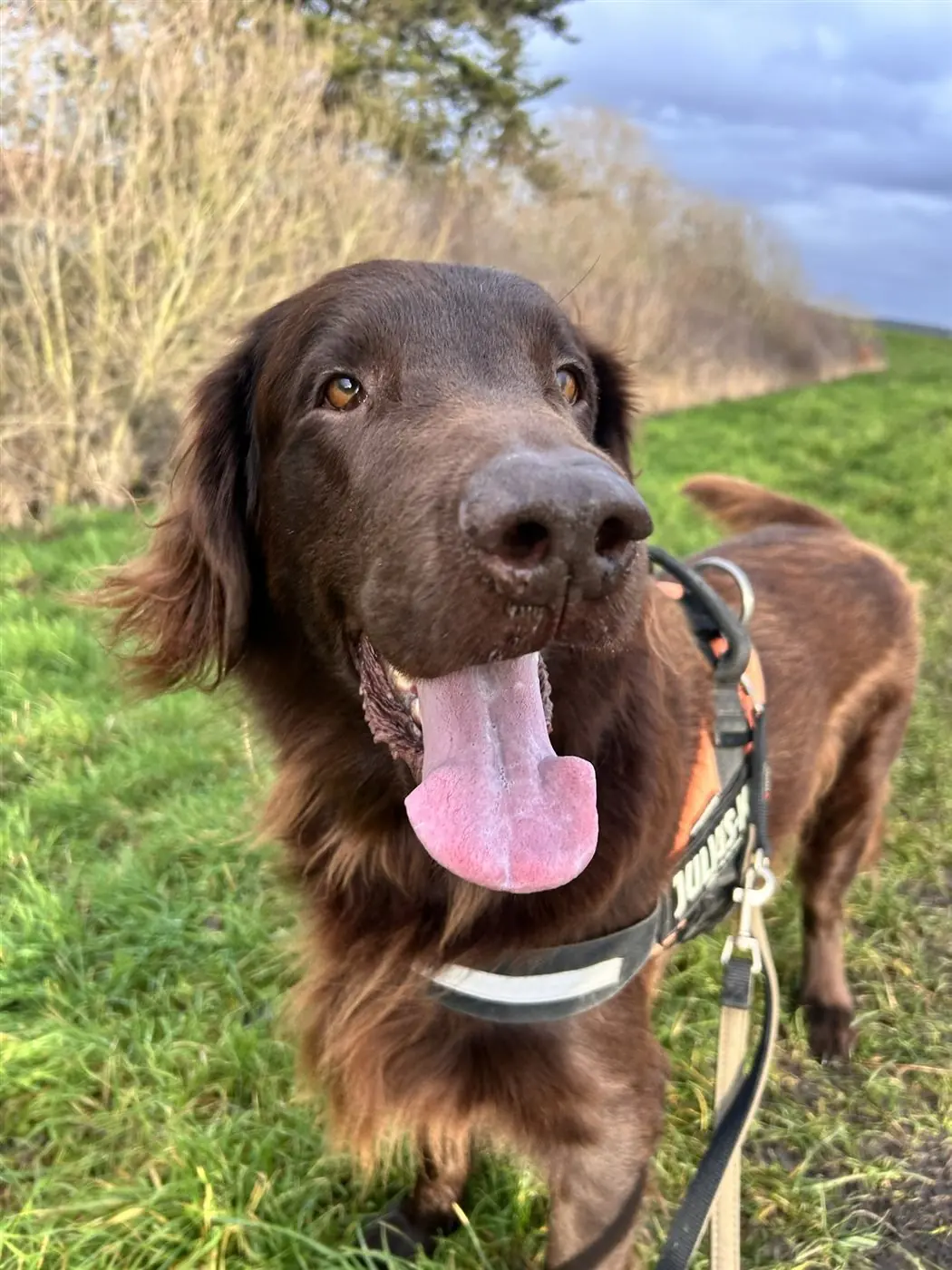
Better walks, not tighter ones
Pace, sniffing, spacing, route choice, and reward timing usually matter more than trying to hold your dog in a perfect position all the way through the walk.
6+ years experience 27 five-star Google reviews DBS checked & canine first aid trained
Most owners are not aiming for a robotic heel. They want a walk that feels calmer, more connected, and easier to manage. That usually means looking at the whole setup: arousal level, route choice, pace, sniffing opportunities, reward timing, and whether the dog is coping with the environment.
When those things improve, the lead often improves with them.
Sometimes it is excitement, sometimes frustration, sometimes a dog who has never really learned what a loose lead means. The answer changes depending on what is driving it.
Most owners do not need complicated drills. They need clearer handling, better route choices, and a way of helping their dog succeed before the lead goes tight over and over again.
The first wins are often smoother starts, fewer frantic moments, and a dog who can pause, check in, and move with you more easily.
Sometimes pulling is mostly a training issue. Sometimes it is tied up with worry, reactivity, frustration, or over-arousal. If that is the case, loose lead walking and behaviour support often need to work together rather than separately.
That is why Jennie often looks at the whole walking picture rather than treating the lead as the only issue.
Loose lead problems are often tied to pace, arousal, routes, sniffing, and handler timing. Tell Jennie what the walk looks like now and she can help you choose between assisted lead walks and wider behaviour support.
The first few minutes stop feeling frantic, and your dog can begin the walk without immediately dragging you forward.
Your dog notices you more often and the walk starts to feel shared rather than like two separate agendas on one lead.
There is less physical pressure, less frustration on both sides, and more moments where the walk feels smooth instead of like hard work.
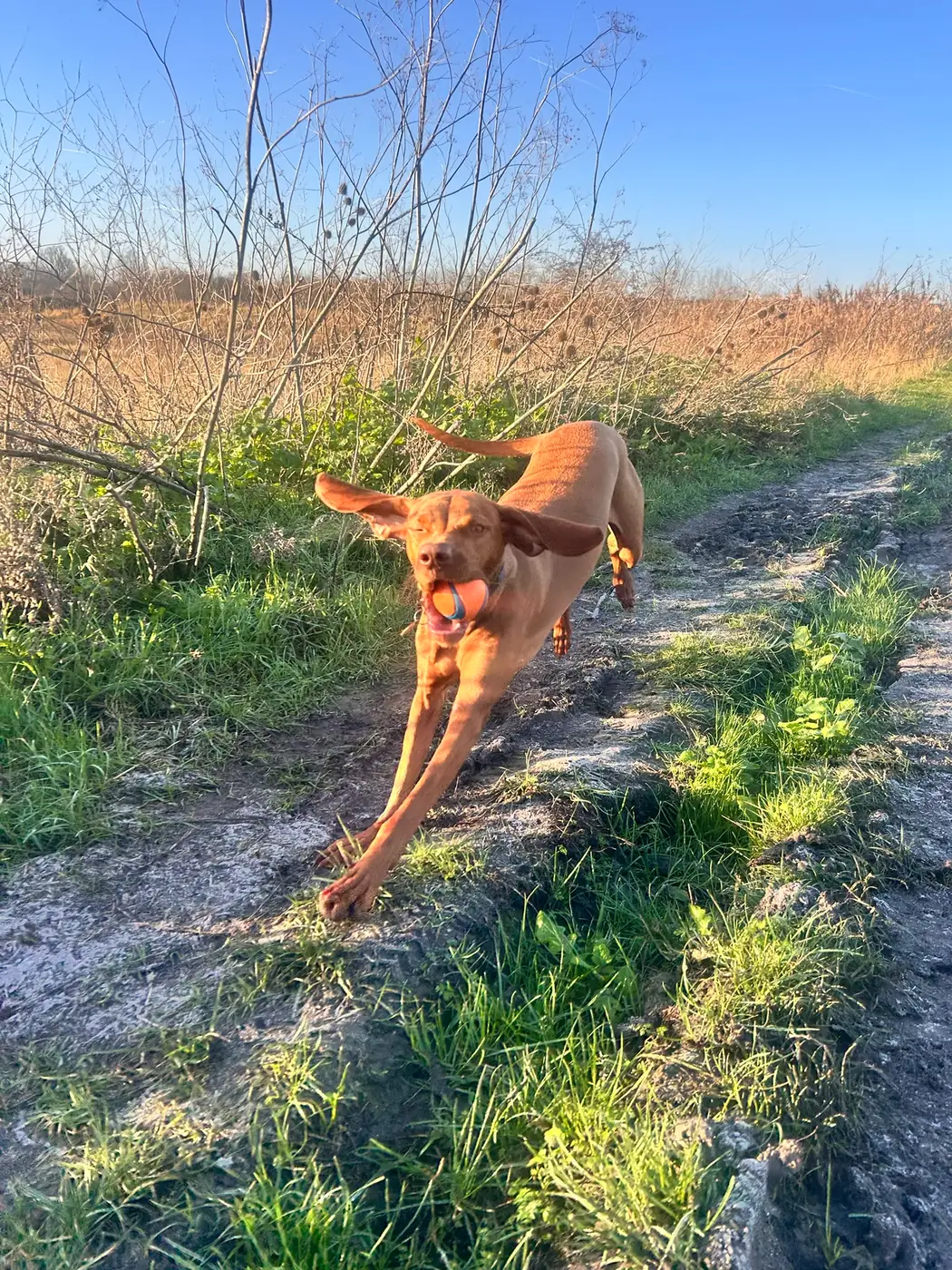
When the lead tension drops and your dog starts to walk with you rather than ahead of you, the whole outing changes.
Light pulling in a young dog can sometimes be worked through with consistency. These are the signs that one-to-one support will get things moving in the right direction.
If any of these apply, assisted lead walks or one-to-one behaviour support in Essex will move things forward faster than equipment changes alone.
Jennie calls every new enquiry back personally to hear about your dog and confirm whether one-to-one support is the right fit before anything is booked.
Tell Jennie about your dogJennie covers assisted lead walks and one-to-one walk coaching across her Essex service area, including Chelmsford, Maldon, South Woodham Ferrers, and nearby towns.
Because walk problems usually need to be seen outdoors, local sessions can include a real-time walk alongside hands-on support, a short prep consult at home first, or both combined. The right starting point usually depends on how much of the pulling is about training, behaviour, or the environment your dog is walking through.
See assisted lead walksThe strongest next step if you want real-time coaching outdoors, a walk-prep option first, or follow-on support to make walking feel calmer again.
Use this if pulling overlaps with barking, lunging, overwhelm, or big reactions on walks.
A useful route when lead walking is part of getting the foundations right early on.
See the local page for home-based support, walk coaching, and behaviour-aware dog walking.
Use the Chelmsford page if you are looking for practical one-to-one help in that area.
Use the Maldon page if you are based nearby and want walk coaching or behaviour support on local routes.
If you are not sure whether this is mainly training, behaviour, or both, Jennie can help you decide.
Yes. Jennie uses positive reinforcement methods only. The work focuses on calm handling, better timing, and making the walk easier for your dog to succeed on.
That is very common. Support often starts with slower pacing, calmer starts, better routes, and helping your dog come down a notch before the walk gets too big too quickly. If the pulling is specifically toward other dogs rather than general excitement, the dog pulls towards other dogs guide looks at that pattern in more depth.
If the main struggle is happening outdoors, assisted lead walks are often the best next step. If the walking issue sits inside a bigger behaviour picture, Jennie may suggest a short prep consult or a fuller consultation first so the walk support starts from a calmer place.
Yes. Loose lead support can be part of early puppy foundations or part of a wider plan for an older dog whose walks have become difficult.
Yes. Loose lead work is often about the whole pattern of the walk, not just one kind of pulling. Jennie helps you make the walk feel smoother overall, which often means looking at pacing, route choice, and how your dog is using the lead to cope with the environment.
Yes, although they can overlap. Loose lead support is often enough when the main problem is pulling and walk chaos. If barking, lunging, freezing, or big reactions are part of the picture too, Jennie may link you into lead reactivity support or assisted lead walks.
This is where Jennie works with you on the actual walk, not just the theory of it. You can start with a focused walk session, or add a short prep consult first if your dog is already struggling before the walk has properly begun.
Still not sure this is the right fit for your dog? Try the quick Help Finder.