Dog Behaviour Help Hub

Dog scared of fireworks? What I'd do this Bonfire Night

If your dog shakes, hides, pants or tries to bolt when the fireworks start, you are not doing anything wrong, and you are not alone.

Firework season is hard on a lot of dogs, and it lasts much longer than one night. I'm Jennie, a one-to-one dog behaviour and puppy trainer based in South Woodham Ferrers. The way I work is about capturing the calm moments and rewarding them, so your dog learns that calm feels good and gets good things.

Fireworks are no different. You can't stop the bangs, but you can set the evening up so your dog has the best chance of staying calm. Then the most useful thing you can do is act as normal as possible, and quietly reward the calm moments.

Act as normal Kong before dark Quietly reward the calm
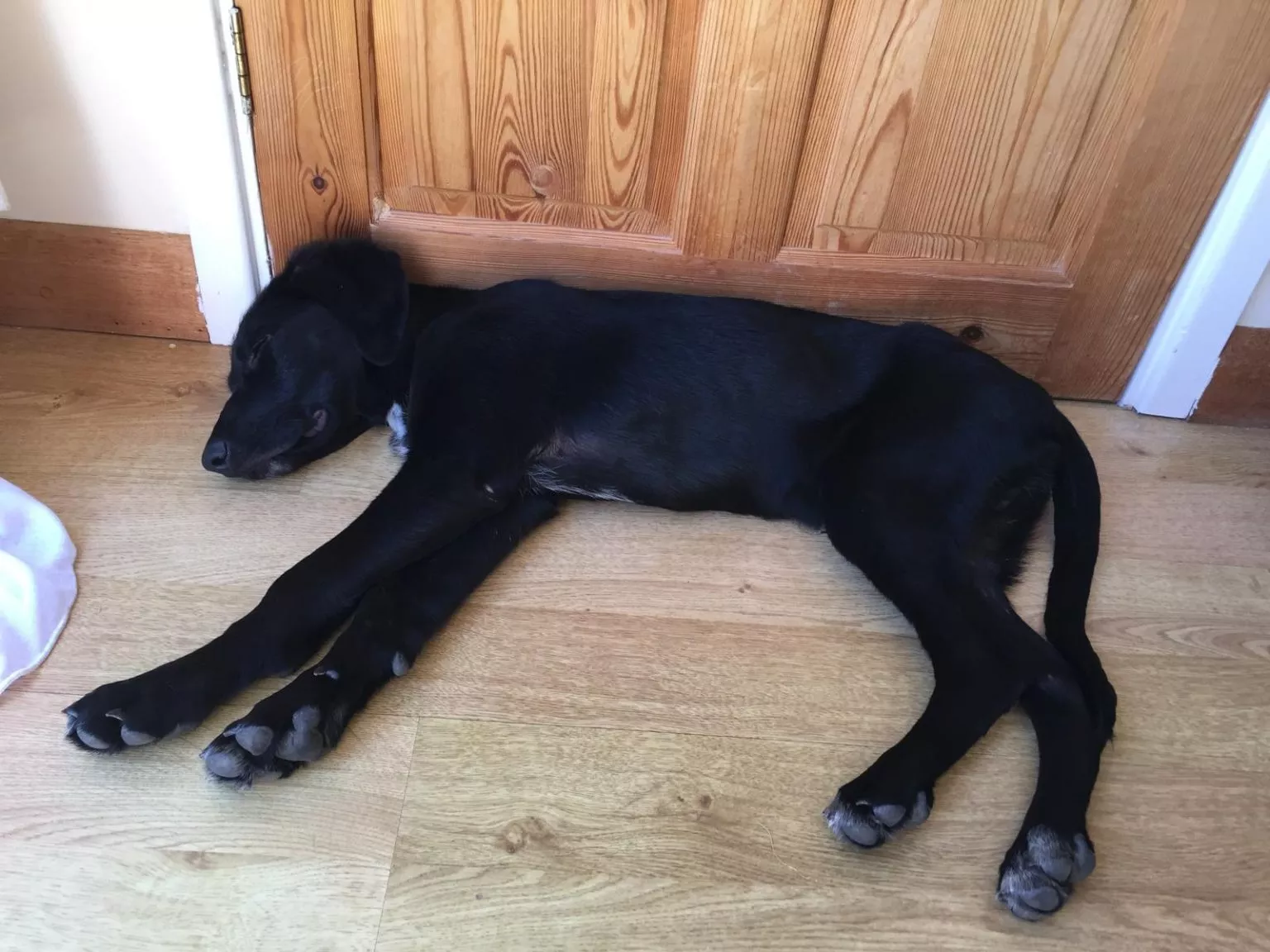
Black dog fast asleep on the floor by a door at home

What we are aiming for

A dog settled enough at home to switch off, even when the bangs start.

6+ years experience 27 five-star Google reviews DBS checked & canine first aid trained

1. Get the busy bit done before it gets dark

Walk your dog earlier in the afternoon on firework nights, while it is still light and quiet.

Keep the evening garden trip short, on a lead if your dog is likely to bolt, and stay out with them. Check your dog's microchip details are up to date and their tag is on, in case they do bolt.

When you do head out, slow everything down at the front door. I ask owners to pause at each doorway rather than letting their dog charge out at a hundred miles an hour. Those little pauses bring the adrenaline down, so your dog sets off calmer and is better able to take in their surroundings.

2. Give them something to lick before the noise starts

This is the one I come back to more than anything. Around 30 to 60 minutes before the fireworks are likely to start, give your dog a Kong or a lick mat.

Soak their kibble and mash it to a Weetabix consistency, then pack it into the Kong in layers with a little chicken, cheese or peanut butter. I put mine in the fridge or freezer so it takes longer. The aim is at least 15 minutes of licking rather than chewing. Licking helps release calming, feel-good hormones, and 15 minutes of licking a Kong is the equivalent of a 15 minute walk around the block sniffing.

You can feed their whole dinner this way on firework nights, or scatter some of it on a towel so they have to sniff it out. Sniffing is naturally calming.

The short version

  • Walk early, while it is still light
  • Kong or lick mat 30 to 60 minutes before
  • A den they can choose to go to
  • Radio on low
  • Keep to your normal routine in the house
  • Act as normal, and quietly reward the calm
Jennie's tip

“Fifteen minutes of licking a Kong is the equivalent of a 15 minute walk around the block sniffing.”

Jennie Dayer-Swan, Jennie's Positive Paws

3. Make them a den

Many dogs feel safer somewhere small and enclosed. When a dog finds car journeys stressful, I often suggest a soft crate, because it is more enclosed and den-like, which offers more comfort and security. The same idea works at home on firework nights.

If your dog already has a crate, cover it with a blanket to make it darker and quieter, the way I suggest for puppy quiet time. Feeding meals in there in the days before helps your dog see it as a good place to be.

Leave the crate door open on firework nights so your dog can choose to go in and come out. Never shut a frightened dog in.

If they would rather hide behind the sofa or under a table, let them. As the saying goes, let sleeping dogs lie.

4. Cover the noise and the flashes

Leave the radio or some white noise on low.

Close the curtains or blinds before it gets dark so the flashes are hidden, and put the television on a little louder than usual.

Fireworks bursting over a crowd at the Marsh Farm display in South Woodham Ferrers
Fireworks at Marsh Farm, South Woodham Ferrers

A great night out for us, and one of the hardest nights of the year for a lot of local dogs.

Every dog is different. Some take nights like this in their stride, and others find them really hard.

5. On the night

Act as normal, and quietly reward the calm.

Carry on as normally as you can and try not to stress. Keep the evening close to your usual routine in the house: dinner, settling down, bedtime, all at the normal times. Your dog takes their lead from you, and they will gain confidence from your confidence.

When a bang or a pop goes off, don't go over the top. No rushing over, no big fuss. If your dog stays lying down, or looks up and then settles again, that is the moment to reward: a quiet “good girl” or “good boy” and a treat, then carry on with your evening. Keep it simple. You are capturing the calm choice.

Look out for the body shake, the one a dog does when they are wet. That is your dog shaking off the big feelings and settling themselves, and it is worth the same quiet reward.

6. Start earlier next year, especially with a puppy

With puppies, I suggest playing a sound playlist quietly in the background at home at least once a month. You can find dog sound playlists on Spotify that include fireworks, thunder, the bin lorry and a baby crying. Keep it low enough that your puppy notices it and carries on with what they were doing, and reward them for staying settled.

It's the same reason I suggest nature programmes on the telly. My own dog Toby still barks at the television whenever a big cat appears in a David Attenborough programme.

There's more on early sound and sight work on my puppy training in Essex page.

Worth knowing

7. When to get help

If your dog is so frightened they can't settle at all, are hurting themselves trying to escape, or the fear is spreading to other noises, speak to your vet. Some dogs need extra support from their vet for firework season, and that is worth doing well before November.

Every dog is different, and what helps one dog on firework night won't suit another. If you'd like ideas for your own dog before the night, a 30 minute online call over Zoom can help with your specific worries and give you things to try.

My support is one-to-one training and behaviour work, not a veterinary service. If your dog struggles with sudden noises all year round, a home visit is a good place to start.

From my casebook

A rescue dog startled by loud exhausts and scooters on her walks

When I first met this rescue girl, she had clearly landed on her paws, sharing a lovely home with two other dogs. Out on walks she found life much harder. A motorbike with a loud exhaust, a mobility scooter or a pushchair coming towards her, and her stare would fix and her body would go tense.

We started before she even reached the pavement. Pausing at the back door, the side gate and the end of the drive brings her adrenaline down, so she sets off calmer and better able to take in her surroundings.

On the walk, the plan was to say “readyyy” and hold a treat in your hand for her to lick as the noise approaches, then let her have the whole treat as it draws level. Licking calms her, and she starts to link the noisy thing with something good.

The part I asked her family to watch for most was the moment she didn't react. A scooter goes by and she carries on sniffing? Praise her straight away. Catching those quiet moments is what builds her confidence, and it is exactly what you are doing on firework night too.

Sudden noises on walks, not a fireworks case. If your dog struggles with noises all year round, my one-to-one dog behaviour support in Essex starts with a home visit to work out a plan for your dog.

Dogs and Fireworks FAQs

How can I get my puppy used to fireworks before Bonfire Night?

Play a sound playlist quietly in the background at home at least once a month, with fireworks, thunder and everyday noises like the bin lorry. Keep it low enough that your puppy notices and carries on, and reward them for staying settled.

Does a Kong really help a dog calm down?

Yes, if it takes them a while. The aim is at least 15 minutes of licking rather than chewing, so pack it in layers and chill it in the fridge or freezer. Licking helps release calming hormones, and 15 minutes of it is the equivalent of a 15 minute sniffing walk. On firework nights, give it 30 to 60 minutes before the noise usually starts.

Should I put my dog in their crate during fireworks?

A covered crate can feel like a safe den, as long as your dog already sees it as a good place. Feed meals in there in the days before. If on the night they would rather hide somewhere else, let them.

What should I do when the bangs start?

Act as normal as you can, keep to your usual routine in the house, and try not to stress. Don't go over the top or make a big fuss. When your dog stays settled or looks up and settles again, quietly reward that with a calm word and a treat, then carry on with your evening. Keep it simple.

Every dog is different. If you want ideas for yours, Jennie can help.

A 30 minute online call over Zoom is a quick way to talk through your own dog's worries and come away with things to try before the night. If noises are a worry all year round, a home visit and a clear written plan is the next step.

Still not sure this is the right fit for your dog? Try the quick Help Finder.