
Jennie's tip
“This is not a required job role any more. They can retire from that role and rest easy in the knowledge you have filled that position.”
Jennie Dayer-Swan, Jennie's Positive Paws
Every passer-by, delivery van or pigeon, and your dog is off. You're not alone: 10 of the 50 households in my notes from 2025 and 2026 had a dog barking at the window.
I'm Jennie, a one-to-one dog behaviour and puppy trainer based in South Woodham Ferrers. Most window barkers have given themselves a job: guarding the house. The aim is to let them retire from it, and to reward the quiet.
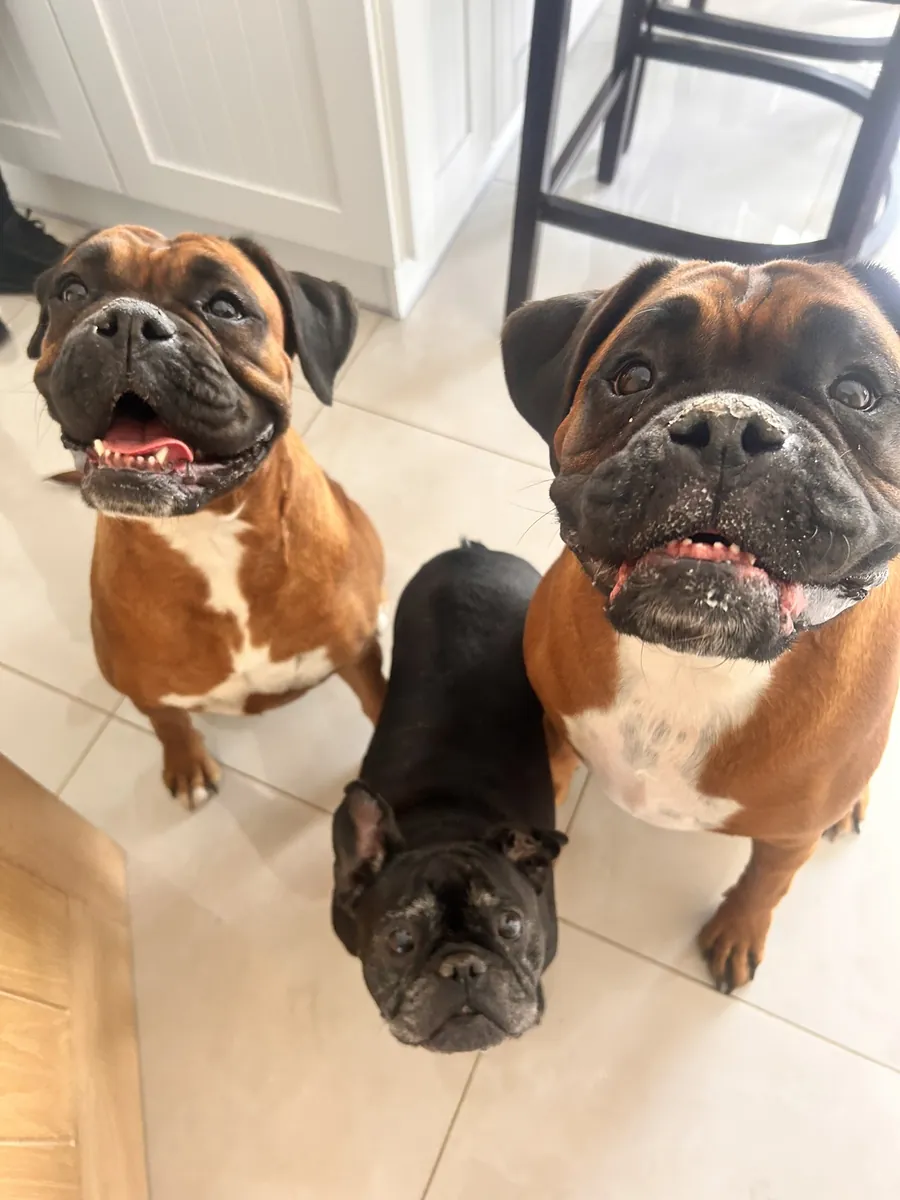
What we are aiming for
6+ years experience 27 five-star Google reviews DBS checked & canine first aid trained
“This is not a required job role any more. They can retire from that role and rest easy in the knowledge you have filled that position.”
Jennie Dayer-Swan, Jennie's Positive Paws
She shared her home with a much younger, bouncier dog. She'd claimed the sofa by the window as her spot, and barked at everyone who walked past. She also followed her owners from room to room, as if it was her job to keep an eye on everything.
We made the sofa invitation-only: a set blanket, and only when she was lying calmly, not asking. No sofa, no lookout. We practised short waits while her owners made a cup of tea, so she learnt she didn't need to follow them everywhere. Both owners backed each other up, so the rules were the same whoever was home.
When the younger dog got too much, a quiet cuddle on the sofa together showed her that her owners had her back. She could retire from guard duty.
When the doorbell is the trigger, not the window.
Read the guideIf the barking is fear of bangs rather than guarding.
Read the guideA home visit and a written plan when barking is part of a bigger picture.
Open behaviour supportEvery dog is different. Talk through yours over Zoom and come away with ideas to try.
See online callsTake away the lookout first: make a sofa by the window invitation-only, and close the blinds when you're out. When they bark, calmly step between your dog and the window and send them to their bed. When they notice something and stay quiet, reward that.
Usually they've given themselves the job of guarding the house. They don't need it. Keep the busy times calm with a Kong, and reward them when they hear something and settle. If it's fear of loud bangs rather than guarding, that needs a gentler approach.
There's no need to raise your voice: calm, clear body language says enough. Calmly step in, send them to their bed, and say a quiet “thank you” when they stop.
Close the blinds so they aren't sitting and watching for you. Leave them with a Kong or a chew, and a radio on low for company.
A 30 minute online call is a quick way to talk it through. If it's bigger than that, a home visit and a written plan is the next step.
Still not sure this is the right fit for your dog? Try the quick Help Finder.